Why is air spring isolation the key solution for vibration instability in automatic up-down carton sealing machines?
High-speed sealing machines suffer vibration instability, causing carton misalignment and sealing defects. Without control, production becomes inconsistent, costly, and inefficient in continuous packaging operations.
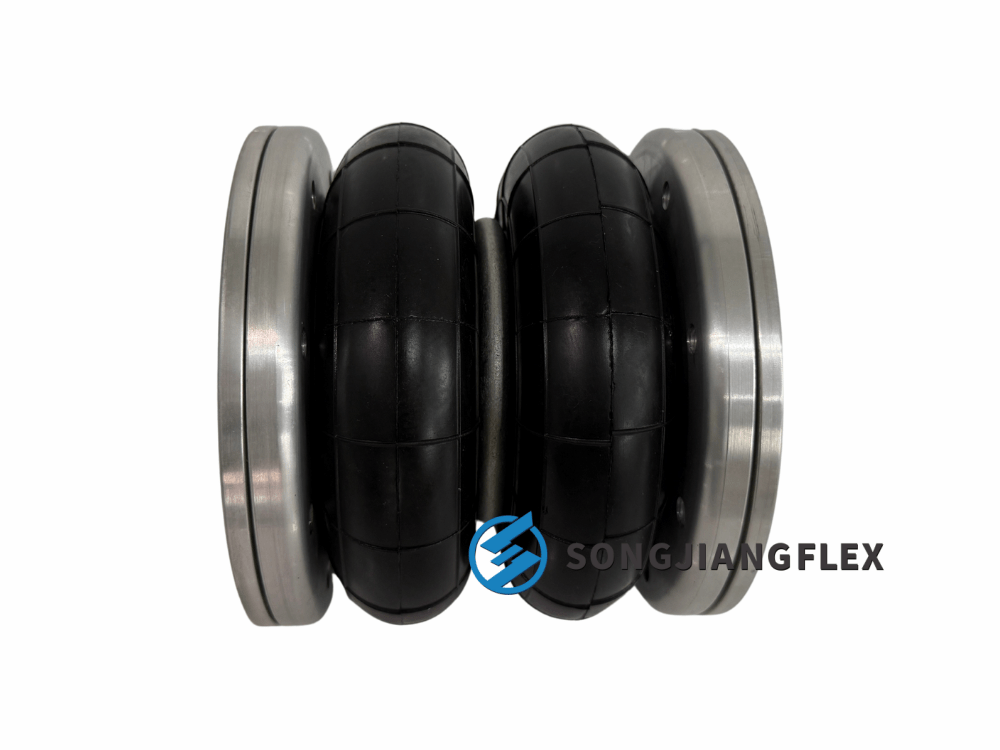
Air spring isolation for carton sealing machine provides a pneumatic vibration isolator for packaging equipment, delivering adaptive damping and stable support. It reduces vibration, improves alignment accuracy, and enhances automatic carton sealing machine stability solution, making it a reliable vibration control packaging machinery upgrade for high-speed production lines.
To understand its effectiveness, we must analyze vibration sources and system behavior first.
Why do automatic up-down carton sealing machines suffer from vibration instability during high-speed operation?
Automatic up-down carton sealing machines operate under continuous high-speed motion, where mechanical movement and load transitions generate unavoidable structural vibration instability.
This instability is especially obvious in up-down driven carton sealer vibration reduction scenarios, where frequent vertical motion and conveyor impact amplify vibration. Over time, this leads to misalignment, inconsistent sealing pressure, and reduced packaging precision, especially in long-hour industrial production environments.
The combination of fast vertical lifting, conveyor impact, and repetitive sealing action creates dynamic stress on the machine frame. When the system lacks proper isolation, these forces accumulate and resonate through the structure. This results in unstable sealing heads, uneven tape application, and reduced synchronization between carton positioning and sealing operations.
What are the main sources of vibration in up-down driven carton sealing machines?
Vibration in up-down driven carton sealing machines originates from multiple mechanical and operational components working simultaneously under high-speed conditions.
Key vibration sources include motor imbalance, conveyor shock loading, gearbox rotation irregularities, and structural resonance. These factors combine to create vibration control packaging machinery challenges that directly affect system stability and sealing consistency.
Motor-driven systems often generate periodic vibration due to rotational imbalance. Meanwhile, conveyor systems introduce sudden impact forces when cartons enter or exit the sealing zone. Structural frames may also amplify these forces if natural resonance frequencies align with operational speed, worsening vibration transmission throughout the machine.
How does vibration affect sealing accuracy in automatic carton sealing equipment?
Sealing accuracy in automatic carton sealing equipment is highly sensitive to even small vibrations transmitted through the machine structure during operation.
Vibration disrupts carton positioning, tape application alignment, and sealing pressure uniformity. This reduces precision stability solution for carton sealing machine performance, increasing defect rates and causing inconsistent packaging quality in automated production lines.
When vibration occurs, sensors may misread carton positions, and sealing heads may apply tape unevenly. Over time, this leads to carton rejections, rework costs, and reduced throughput. Even minor oscillations can accumulate into significant alignment errors, especially in high-speed logistics and e-commerce packaging systems.
How does air spring isolation reduce machine vibration compared to rubber pads or metal springs?
Air spring systems provide a more advanced air spring mount industrial packaging machine solution compared to traditional rubber pads or metal spring isolators.
Unlike passive rubber or metal supports, pneumatic vibration isolator for packaging equipment systems use compressed air to dynamically adjust stiffness and absorb vibration energy more effectively, delivering superior damping performance and long-term stability.
Rubber pads degrade over time and lose elasticity, while metal springs may amplify certain vibration frequencies. Air springs, however, maintain adaptive pressure balance, allowing real-time adjustment to load and vibration changes. This ensures consistent isolation performance even under varying machine speeds and production loads, making them ideal for modern automated packaging systems.
How does damping play a key role in stabilizing automatic packaging machinery?
Damping is essential in anti vibration system for sealing equipment because it controls how vibration energy is absorbed and dissipated within the system.
Effective damping reduces oscillation amplitude and prevents resonance buildup in high-speed packaging machinery. Air spring systems provide natural pneumatic damping that stabilizes machine motion and improves operational smoothness.
When damping is insufficient, vibration energy is repeatedly reflected within the machine structure, increasing instability. Air springs convert kinetic vibration energy into controlled air compression and release cycles, gradually dissipating energy. This reduces high-frequency noise and stabilizes machine motion, ensuring smoother sealing and more consistent operational performance.
How does load distribution change when using air springs under carton sealing machines?
Load distribution becomes significantly more uniform when air spring isolation systems are installed beneath carton sealing machines.
Air spring isolation for carton sealing machine ensures even weight distribution across all support points, reducing localized stress and improving structural balance, which enhances overall system stability and durability.
Traditional supports often concentrate stress at fixed contact points, leading to uneven wear and structural fatigue. Air springs distribute load through pressurized air chambers, allowing the machine to maintain a balanced center of gravity. This improves mechanical lifespan, reduces frame deformation, and enhances long-term operational stability in continuous production environments.
Can air spring vibration isolation improve sealing precision and carton alignment?
Sealing precision and carton alignment are directly influenced by machine stability, making vibration control a critical performance factor in packaging systems.
Precision stability solution for carton sealing machine applications shows that air spring systems significantly reduce micro-vibrations, improving conveyor alignment and sealing head accuracy in automated packaging lines.
By eliminating small oscillations, air springs ensure smoother carton movement and consistent sealing pressure. This improves alignment between tape heads and carton edges, reducing skewed sealing and improving product appearance quality. In high-speed logistics operations, this leads to fewer rejected cartons and higher packaging consistency across large production volumes.
What role does air spring isolation play in vibration control of packaging machinery?
Air spring systems function as a complete vibration control packaging machinery solution by isolating dynamic forces at the equipment base level.
As a vibration control system, air springs isolate structural vibration before it propagates through the machine frame, ensuring stable operation and reducing mechanical stress across packaging equipment.
By acting at the base support level, air springs prevent vibration transmission to critical components such as sensors, conveyors, and sealing heads. This system-level isolation improves synchronization across the entire packaging line, ensuring consistent product handling and reducing downtime caused by mechanical misalignment or vibration-induced failures.
What are the long-term benefits of using air spring isolators in packaging automation systems?
Long-term stability and efficiency are key advantages of integrating air spring systems into modern packaging automation environments.
Automatic carton sealing machine stability solution using air springs reduces maintenance costs, extends equipment lifespan, and improves production efficiency by minimizing vibration-related failures over time.
Over long-term operation, air spring isolators reduce mechanical wear, decrease downtime, and improve energy efficiency by maintaining stable machine alignment. This results in lower maintenance frequency and higher return on investment. For high-volume production environments, these benefits significantly improve overall operational profitability and equipment reliability.
Where are pneumatic vibration isolators used in modern packaging systems?
Pneumatic vibration isolators are widely used across modern industrial packaging systems where precision and continuous operation are required.
Pneumatic vibration isolator for packaging equipment is commonly applied in carton sealing machines, conveyor systems, palletizing units, and automated packaging lines across logistics, food, pharmaceutical, and e-commerce industries.
These systems are especially valuable in high-speed logistics centers where continuous operation is critical. Air spring isolation ensures smooth coordination between multiple machines, reduces vibration interference, and maintains packaging accuracy even under peak seasonal workloads. This makes them a core component of modern intelligent packaging automation systems.
Summary
Air spring isolation significantly improves vibration stability, sealing precision, and long-term durability in automatic carton sealing machines, making packaging operations more efficient and reliable.