Why Are Air Vibration Isolators Essential for End-Pump Laser Marking Machine Stability?
End-pump laser marking machines demand extreme stability. Even slight low-frequency micro-vibration can destroy marking accuracy, consistency, and production reliability without proper vibration isolation.
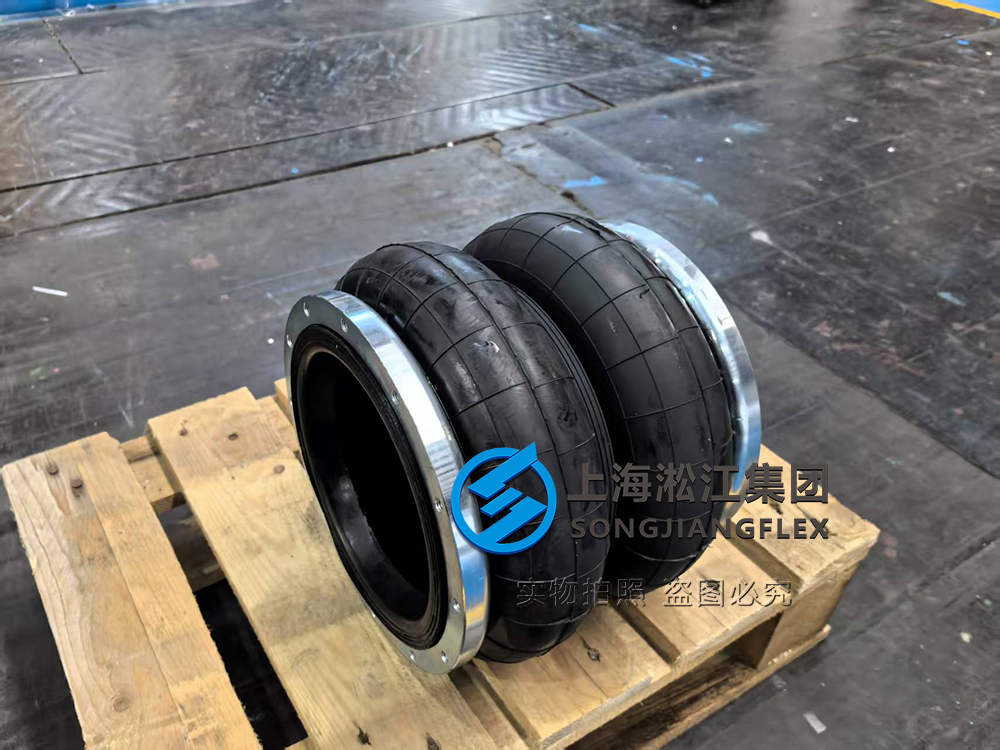
Air vibration isolators are essential for end-pump laser marking machines because they suppress low-frequency micro-vibration, protect optical path alignment, and provide an ultra-stable precision laser marking foundation. Compared with rubber mounts, pneumatic isolation systems achieve ultra-low natural frequency, ensuring consistent marking quality, reduced defects, and long-term operational stability.
To understand why air isolation is critical, we must first examine how vibration affects end-pump laser systems.
Why Are End-Pump Laser Marking Machines Extremely Sensitive to Low-Frequency Micro-Vibration?
End-pump laser marking machines are inherently sensitive to low-frequency micro-vibration due to their compact optical structure, high energy density, and strict alignment tolerance requirements.
Low-frequency vibration directly impacts end-pump laser marking stability by causing slow, continuous positional drift that cannot be filtered by conventional rubber mounts. This vibration degrades marking precision and repeatability over time.
Unlike high-frequency shocks, low-frequency micro-vibration is persistent and difficult to detect visually. In end-pump laser systems, even micron-level movement can alter beam focus and scanning accuracy. Factory floor vibration, nearby machinery, and structural resonance can all introduce low-frequency disturbances, making a dedicated low-frequency vibration suppression system essential for stable laser operation.
How Does Structural Vibration Interfere with Optical Path Alignment in End-Pump Lasers?
Structural vibration affects end-pump laser performance primarily by disturbing the precise optical path alignment required for accurate beam delivery and consistent marking results.
Vibration transmitted through machine frames and foundations causes misalignment of optical components, leading to beam deviation, unstable focus, and inconsistent energy distribution during laser marking.
End-pump lasers rely on highly precise alignment between the pump source, gain medium, and optical lenses. Structural vibration subtly shifts these components, disrupting optical symmetry. Over time, this results in fluctuating marking depth, blurred edges, and reduced contrast. Using an air vibration isolator for laser optics effectively decouples the laser system from external structural vibration, preserving optical integrity.
What Marking Defects Are Caused by Resonance in Precision Laser Marking Systems?
Resonance within precision laser marking systems amplifies vibration effects, turning minor disturbances into visible marking defects that compromise product quality.
Resonance can cause ghosting, line jitter, uneven line width, and repeated positional deviation in laser marking. These defects often lead to rework, scrap, and customer complaints.
When a laser marking machine operates near its natural frequency, vibration energy accumulates instead of dissipating. This resonance amplifies motion at the marking head, directly affecting engraving accuracy. For manufacturers and distributors, such defects increase rejection rates and damage brand reputation. A proper laser engraving equipment isolation solution is therefore critical to maintaining consistent marking output.
Why Are Pneumatic Air Vibration Isolators More Suitable Than Rubber Mounts for Laser Marking Machines?
Pneumatic air vibration isolators outperform traditional rubber mounts by addressing the fundamental limitation of rubber systems in controlling low-frequency vibration.
Rubber mounts have relatively high natural frequency and limited effectiveness against low-frequency micro-vibration, while pneumatic air spring isolator platforms provide superior isolation across critical low-frequency ranges.
Rubber mounts are effective for absorbing high-frequency shock but struggle with slow, continuous vibration common in laser environments. Pneumatic isolation for precision laser systems uses compressed air elasticity to achieve lower stiffness and better damping. This makes air isolators significantly more effective for vibration isolation in optical processing machines, especially where precision and repeatability are required.
How Do Air Vibration Isolators Achieve Ultra-Low Natural Frequency for Laser Equipment?
Air vibration isolators achieve ultra-low natural frequency through the controlled compressibility of air combined with optimized load distribution and damping design.
By using a compressed-air isolation mechanism, air isolators reduce system stiffness and shift resonance well below the operating frequency of laser marking machines.
In pneumatic systems, air acts as a highly elastic medium that adapts to load changes while maintaining stability. This allows ultra-low natural frequency isolator performance, often below 3 Hz, which is unattainable with rubber solutions. Automatic leveling further enhances isolation performance, making pneumatic air spring isolator platforms ideal for precision laser marking foundations.
What Technical Factors Should Be Considered When Selecting Air Isolators for End-Pump Laser Marking Machines?
Selecting the correct air vibration isolator requires careful evaluation of both laser system characteristics and environmental vibration conditions.
Key selection factors include load capacity, natural frequency range, damping performance, system stability, and supplier customization and testing capabilities.
For end-pump laser marking machines, isolators must match equipment weight and center of gravity while providing sufficient low-frequency isolation. Additional considerations include long-term air tightness, response speed, and integration with existing machine structures. Choosing a supplier with proven experience in vibration isolation for optical processing machines ensures reliable performance and reduced operational risk.
Summary
End-pump laser marking machines require air vibration isolators to achieve true precision, suppress low-frequency vibration, and establish a stable foundation for consistent, defect-free laser marking.