How Are Air Float Vibration Isolators Designed and Optimized for Micron-Level Imaging Systems?
Micron-level imaging systems suffer from invisible vibrations that distort accuracy. Without proper isolation, precision collapses—an air float vibration isolator becomes the critical foundation for stability.
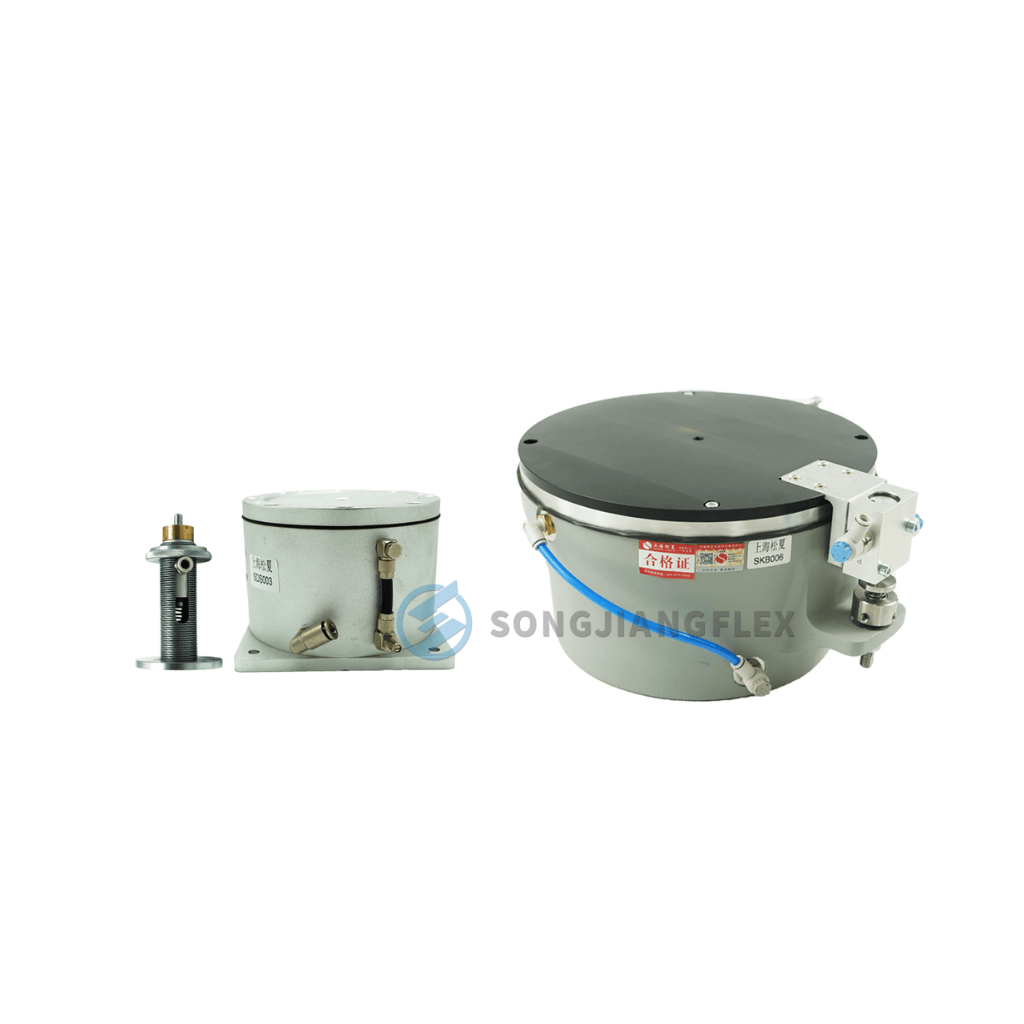
An air float vibration isolator uses controlled air pressure, stiffness, and damping to isolate environmental and building vibrations. Designed for micron-level sensitivity, it stabilizes precision imaging systems by maintaining consistent load support, vibration compensation, and long-term imaging accuracy.
To understand their effectiveness, we must explore how these isolators are designed, controlled, tested, and integrated.
Why Do Micron-Level Imaging Systems Require Air Float Vibration Isolators?
Micron-level sensitivity makes precision imaging systems extremely vulnerable to vibration impact from buildings, nearby machinery, and environmental disturbances.
Air float vibration isolators minimize vibration impact by separating sensitive equipment from external disturbances, ensuring consistent imaging accuracy in microscopy and metrology equipment.
In high-precision imaging environments, even nanometer-scale vibrations can distort measurement results. Optical microscopes, coordinate measuring machines, and metrology equipment demand stable platforms to maintain repeatability. Traditional rigid mounts amplify vibration, while air float vibration isolators provide flexible support using compressed air, significantly improving imaging reliability and data integrity.
What Are the Core Design Parameters of an Air Float Vibration Isolator?
Design parameters determine how effectively an isolator supports high-precision imaging while suppressing unwanted motion.
Key parameters include stiffness, damping, air volume, and load distribution, all of which directly influence imaging accuracy.
A well-designed air float vibration isolator balances low stiffness for isolation and sufficient damping for stability. Excessive stiffness transmits vibration, while insufficient damping causes oscillation. Optimized air chamber geometry and internal flow paths help maintain equilibrium, ensuring stable performance in precision imaging systems operating at micron-level resolution.
How Is Air Pressure Controlled to Ensure Stable Operation?
Precise air pressure control is essential for maintaining stable operation under varying loads and environmental conditions.
Air pressure control systems regulate height and stiffness, ensuring stable operation despite load or temperature changes.
Modern air float vibration isolators use regulators, reservoirs, and feedback loops to maintain constant pressure. Some systems integrate sensors that adjust pressure automatically, preventing drift and tilt. Stable air pressure ensures consistent isolation performance and protects sensitive setups from gradual performance degradation over time.
What Role Do Active and Passive Vibration Isolation Play in Micron-Level Imaging?
Both active vibration isolation and passive vibration isolation contribute differently to micron-level isolation performance.
Passive isolation handles high-frequency disturbances, while active systems counter low-frequency vibrations for superior stability.
Passive air float vibration isolators rely on mechanical compliance and damping, making them reliable and low-maintenance. Active vibration isolation adds sensors and actuators to cancel low-frequency motion, such as building sway. In advanced precision imaging systems, combining both methods delivers optimal vibration suppression across a wide frequency range.
How Do Air Float Vibration Isolators Compensate for Building and Environmental Vibrations?
Laboratories and factories expose instruments to continuous building vibrations and environmental vibrations.
Air float vibration isolators provide vibration compensation by decoupling instruments from structural motion.
Sources such as elevators, HVAC systems, foot traffic, and nearby machinery introduce persistent disturbances. Air float systems act as mechanical filters, attenuating these inputs before they reach the instrument. This vibration compensation is essential for maintaining repeatable results in precision imaging and measurement applications.
What Is the Typical Load Capacity for Precision Instruments?
Load capacity must be carefully matched to the weight and center of gravity of precision instruments.
Air float vibration isolators typically support loads ranging from tens to several hundred kilograms.
Proper load distribution ensures consistent air pressure and isolation efficiency. Overloading reduces isolation performance, while underloading affects stiffness and stability. Manufacturers design isolators with adjustable air pressure to accommodate different precision instruments, including microscopes, imaging platforms, and metrology systems.
How Do Manufacturers Test and Validate Isolator Performance?
Performance testing and validation ensure isolators meet micron-level isolation requirements.
Testing includes vibration simulation, load endurance, and long-term stability evaluation.
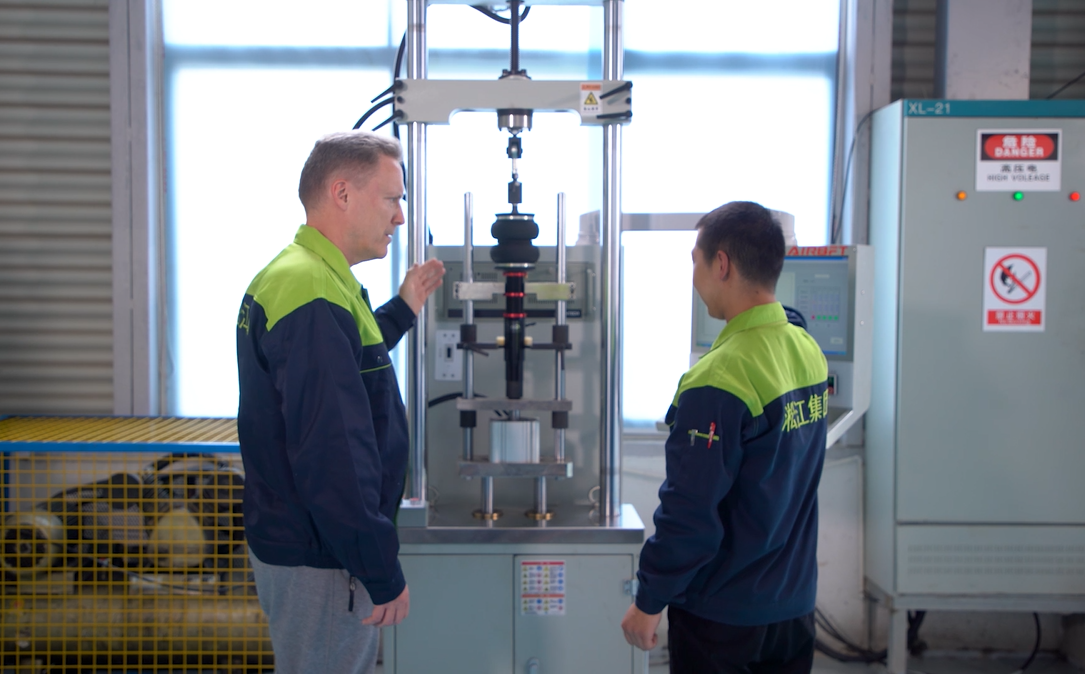
Manufacturers use vibration tables, simulated building disturbances, and fatigue tests to assess performance. Validation follows isolator standards and benchmarks to confirm frequency response, damping efficiency, and durability. These tests ensure reliable operation in real-world precision imaging environments.
Can Air Float Vibration Isolators Be Used in Optical and Electron Microscopy?
Different microscopy systems impose distinct vibration isolation demands.
Air float vibration isolators are compatible with both optical microscopy and electron microscopy systems.
Optical microscopes require stable platforms to maintain focus and resolution, while electron microscopes are even more sensitive to vibration and electromagnetic interference. Properly designed isolators support instrument compatibility by offering stable support, adjustable height, and minimal drift across imaging modalities.
How Do Isolation Systems Handle Thermal Expansion and Drift?
Thermal expansion and drift threaten alignment in sensitive imaging setups.
Designs incorporate drift compensation to maintain alignment during temperature changes.
Material selection, symmetric structures, and controlled airflow reduce thermal effects. Advanced systems integrate temperature monitoring to compensate for expansion in real time. These strategies preserve positioning accuracy during long imaging sessions or variable environmental conditions.
What Maintenance or Calibration Is Required for Long-Term Performance?
Long-term performance depends on consistent maintenance and calibration practices.
Routine checks of air pressure, seals, and leveling ensure stable operation.
Maintenance typically involves inspecting air lines, regulators, and isolation height. Periodic calibration verifies load balance and damping behavior. With proper care, air float vibration isolators deliver reliable micron-level isolation over many years of operation.
How Do Isolators Integrate with Precision Stages, Tables, and Sensors?
Successful isolation requires seamless integration with other precision components.
Modular designs enable alignment with precision stages and sensor systems.
Isolation platforms are engineered to support motion stages, optical tables, and sensor arrays without introducing misalignment. Proper integration ensures that vibration isolation enhances, rather than compromises, system accuracy and repeatability.
Are There Industry Standards or Benchmarks for Micron-Level Isolation?
Industry standards help users evaluate isolator performance objectively.
Benchmarks define acceptable vibration attenuation and stability metrics.
International standards and manufacturer benchmarks specify frequency response, load stability, and durability requirements. These references guide buyers in selecting isolators suitable for demanding micron-level imaging applications.
Summary
For high-accuracy applications, selecting a proven air float vibration isolator solution is essential to achieve stable, repeatable, micron-level imaging performance over the long term.