What Is a BE Rubber Vibration Isolator and How Can It Improve Industrial Equipment Performance?
Industrial equipment vibrations cause noise, wear, and costly downtime. Many isolators fail to meet expectations. Can a BE Rubber Vibration Isolator provide reliable vibration reduction?
A BE Rubber Vibration Isolator is a resilient device designed to absorb and isolate industrial vibrations. It protects machinery, reduces noise, and ensures equipment longevity. Commonly applied in pumps, compressors, fans, and generators, it delivers stable performance and minimizes maintenance needs across various industrial environments.
Explore how BE Rubber Vibration Isolators work, their components, applications, and selection guidance below.
How Does a BE Rubber Vibration Isolator Work in Reducing Industrial Equipment Vibrations?
BE Rubber Vibration Isolators reduce vibrations by converting mechanical energy into heat through the elastic deformation of rubber, isolating machines from structural vibrations.
By absorbing vibrations at the source, BE Rubber Vibration Isolators protect industrial equipment and maintain operational stability.
The rubber element undergoes shear and compression, dissipating vibrational energy. This mechanism prevents structural resonance and reduces wear on sensitive machinery, ensuring smoother operation and safer industrial environments.
What Are the Key Components of a BE Rubber Vibration Isolator?
Understanding the main components is critical for ensuring durability and proper vibration control.
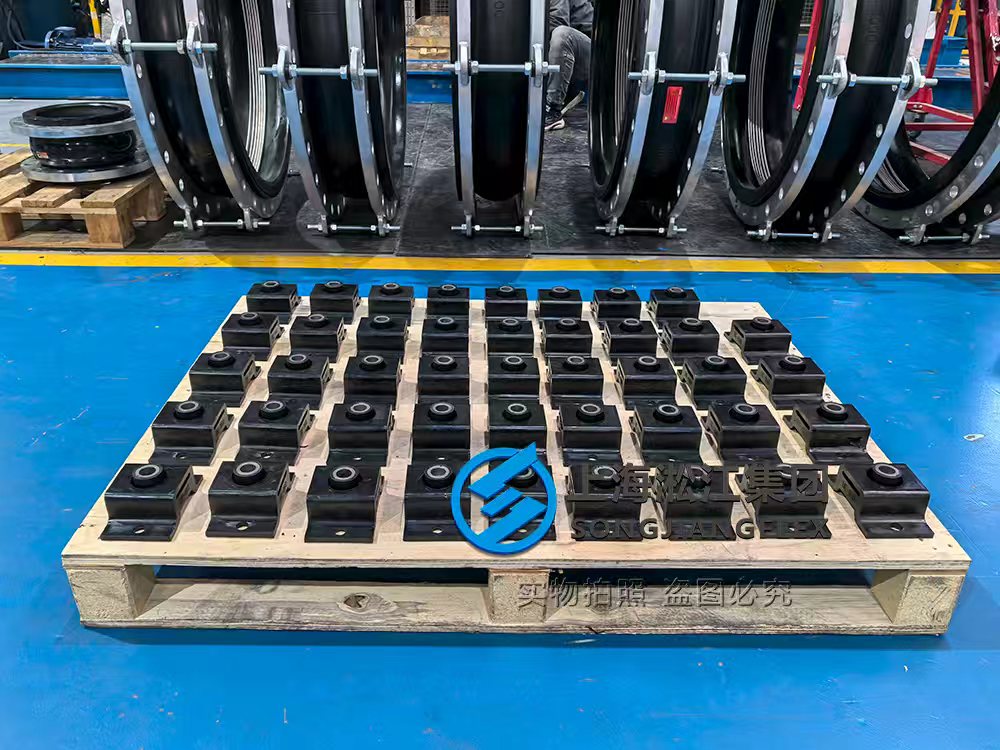
BE Rubber Vibration Isolators typically consist of a molded rubber element, top and bottom metal plates, and fastening hardware.
The rubber element provides elasticity and damping. Metal plates ensure stable mounting, while bolts or threaded inserts secure the isolator to machinery. Each part contributes to vibration absorption, load distribution, and long-term reliability.
Which Industries Benefit Most from Using BE Rubber Vibration Isolators?
Many industrial sectors face challenges from equipment vibrations, which impact efficiency and safety.
BE Rubber Vibration Isolators are widely used in HVAC, pumps, compressors, generators, transformers, and more.
Industries like petroleum, chemical, metallurgy, power generation, and construction rely on vibration isolation to reduce machine wear, noise, and downtime, improving production consistency and protecting sensitive components.
How to Choose the Right BE Rubber Vibration Isolator for Different Industrial Machines?
Proper selection ensures maximum vibration reduction and prevents isolator failure.
Consider load capacity, vibration frequency, installation type, and environmental conditions when choosing a BE Rubber Vibration Isolator.
Matching the isolator to machine weight, operating frequency, and installation surface is essential. Overloading or incorrect sizing compromises damping performance, while a properly selected isolator enhances stability and operational safety.
What Are the Advantages of BE Rubber Vibration Isolators Compared to Metal Spring Isolators?
Buyers often compare BE Rubber and metal spring isolators to balance performance and cost.
BE Rubber Vibration Isolators provide higher damping, less maintenance, and more compact installation than metal spring alternatives.
Rubber isolators absorb a broader range of frequencies, resist fatigue, and minimize noise. They are more compact, easier to install, and offer cost-effective long-term vibration control compared to bulky metal springs.
Can BE Rubber Vibration Isolators Improve Equipment Lifespan and Maintenance Efficiency?
Industrial machinery lifespan is directly impacted by vibrations and operational stress.
Proper BE Rubber Vibration Isolators reduce wear, prevent misalignment, and lower maintenance frequency.
By damping vibrational energy, they prevent component fatigue, reduce failure rates, and enable longer maintenance intervals, resulting in higher productivity and lower total cost of ownership for industrial operations.
What Are the Common Installation Methods for BE Rubber Vibration Isolators in Factories?
Correct installation is essential for achieving optimal vibration isolation.
Installation methods include bolt-mounted, base-mounted, and suspended configurations depending on equipment and floor design.
Proper leveling, torque settings, and alignment are critical. BE Rubber Vibration Isolators are versatile, allowing flexible placement under pumps, generators, HVAC systems, or suspended machinery to maximize vibration damping effectiveness.
How Does Temperature and Environmental Condition Affect BE Rubber Vibration Isolator Performance?
Environmental factors influence elasticity and long-term performance of rubber isolators.
BE Rubber Vibration Isolators resist high and low temperatures, humidity, and chemical exposure while maintaining damping properties.
Selecting suitable rubber formulations ensures stable performance under varying conditions. Songjiangflex offers isolators capable of withstanding industrial heat, cold, moisture, and chemical environments without degradation.
What Are the Typical Load Capacities and Size Options for BE Rubber Vibration Isolators?
Load and size determine vibration damping efficiency and compatibility with industrial machinery.
BE Rubber Vibration Isolators are available in multiple sizes and load capacities, accommodating light to heavy industrial equipment.
From small compressors to large generators, isolators can be standard or customized. Proper sizing ensures even load distribution, effective vibration absorption, and extended service life.
How Do BE Rubber Vibration Isolators Contribute to Noise Reduction in Industrial Settings?
Reducing vibration also minimizes equipment-generated noise in factories.
BE Rubber Vibration Isolators isolate vibrations, significantly lowering noise levels in industrial environments.
By preventing structural transmission of mechanical vibrations, they reduce resonant noise in floors, walls, and machinery. Applications include production halls, HVAC systems, and heavy equipment installations, improving workplace safety and comfort.
Summary
BE Rubber Vibration Isolators effectively reduce industrial equipment vibrations, protect machinery, lower noise, and improve operational lifespan, making them essential for reliable industrial vibration control.